There Is a Difference: Sara Theis on Building Products Leadership
January 27, 2026
.
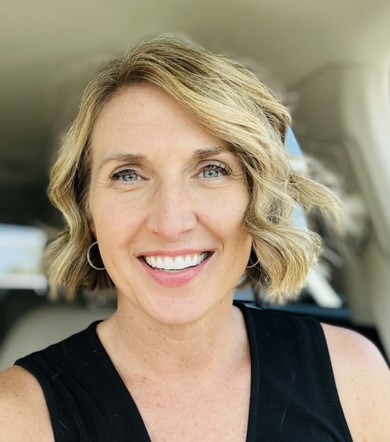
We are fortunate throughout our careers to meet people that have that special “it factor” that makes then stand out in the crowd. We may not be able to explain exactly what “it” is, but you know it when you see it. Sara Theis has “it” and has since the day we met years ago. She has the presence, the grace, and the intelligence that is so attractive you want to work with them. This is an option shared about Sara, so it only makes sense that we talk with her in this edition of There is a Difference. It is our pleasure to introduce you to Sara Theis.
Hello. I am Sara Theis. I have over 25 years of experience, which is going to date me, in various marketing, communication, strategy, and sales roles, all in B2B manufacturing, mostly in building products. About half of that was building products. Also worked in packaging, single use packaging and the automotive industry.
How did you choose building products for your career?
I was working in the packaging industry and after a few years, a recruiter had reached out to me with an opportunity in building products. And at that time, I had a wonderful boss and mentor who had worked at DuPont for years, including the brand manager of Corian. She gushed about how wonderful the industry was, and it’s very fraternal and fun. And she actually encouraged me to take the leap. So, I worked in building products, I think, for about six years. Then I left, worked in automotive and came back. Like I said, over half of my experience has been in this space and I do love it. She was right. Everything she said was right.
What’s been your most memorable experience in building products?
That’s hard to pick the most memorable, but most recently, I think a high point for me was winning the Outstanding Young Program of the Year Award from the Strategic Account Management Association, otherwise known as SAMA. And that was at their annual conference a few years ago. And just to give you a little bit of background, I had come out of a leadership development program into a brand new hybrid sales and marketing role, tasked with building a key account management program from scratch, which I had never done before. I leaned on SAMA for a lot of their best practices and some of their training and different frameworks. And so after about two years, we had drove a cultural transformation with how we engaged with our very few strategic customers, and we stimulated significant growth for a very mature part of the business. And that’s why I entered the award, and we won.
What’d you win?
A blue plate. It’s beautiful. Piece of art. But I think moreover, you get the recognition from peers. SAMA has been around since the ’60s. So to be rewarded and acknowledged that, “Hey, you guys are doing this right. You’ve borrowed from what we’ve done in the past, but you made it your own.” So I was really proud about that. Up on stage under the bright lights, it was definitely a high point.
What have you learned from that experience that you will take away and possibly use again later?
So many things. The first one that comes to mind is supporting functions at a company that is hungry for customer engagement and involvement and exposure, but sometimes they don’t have a reason to connect. And so the sales team is like, great, I got to take him on a dog and pony show and maybe do a plant tour. But through this program, the different support functions, were working on value creation projects with these customers. So they were able to connect with purpose, and that was really, really powerful. So you now have direct connections. We call it the zipper model or the diamond model where you have a strong connection across multiple functions between the customer and you, and you’re unbreakable at that point. Even if there is a lower cost competitor, you’re sticky, you’re there, you’re trusted, and you’re not going anywhere.
What are the benefits of being a woman in building products?
I love this question, and I would actually say there’s more benefits than liabilities, and I’ll explain why. First and foremost, in any male dominated industry, women are automatically going to stand out from the crowd. And so visibility is easy and that is not to be underestimated. And then in terms of capability building, I think I’ve developed a great deal of resilience and adaptability just due to the sink or swim mentality. I mean, women don’t get a pass. You have to hang with the guys. And I’ve definitely developed that over time. The other thing I’ll say is women by and large are naturally more inclusive. So cross-functional collaboration comes naturally. Personally, I’m the first to admit I don’t have all the answers, so I don’t hesitate to pull in resources or subject matter experts as needed. That doesn’t always happen with a single gender team, we’ll say.
On the liability side, I will admit, similar to that young architect you spoke about. You do have to work harder and smarter at times, and you have to be patient because advancement opportunities don’t come as often or as fast as you’d like. But I found a way to find allies to help amplify your voice and open doors for you. So it doesn’t have to be a big liability. I mean, it’s definitely there, no doubt about it. But the last thing I’ll say is I’ve personally enjoyed the challenge of being underestimated because then they don’t see it coming, and you can really wow them with your competence. So I found it to be … I wouldn’t have spent half my career here if I didn’t think the benefits outweigh the liabilities. So I think it’s a good space to be.
What do you see for the future of building products in the construction industry?
I think the construction industry needs to be truly disrupted. Shelter is a basic human need, so demand is always going to be strong. That’s the good thing. But our supply challenges are not going away. And I’m talking about primarily labor and logistics. You see that the younger generations are demanding better work conditions and they simply just want to design and build more efficiently than we have in the past. I think you’re going to see more things like AI integration, prefab, modular construction, real sustainability like systematic design, not just pieces and parts to get points. I’m actually really excited to see what’s going to happen because the way we did it in the past is not going to be the way we do it in the future.
Where do you see AI having a place in the business mix?
Everywhere. I think it’s just going to be more efficient. I mean, think about how you design a building, and a lot of it is cut and paste. There’s some that is truly unique to fit for purpose, but I can see it more in the design space than the actual physical construction. But then again, you’ve got BIM and all the modeling that goes on. So you can basically erase any risks that you’re going to have during construction if you do it upfront, and you have real measurements and you think about soil and weather conditions and all this. I can’t imagine an area in the design build process that AI wouldn’t apply to, honestly.
How would it apply in the supply chain challenges that exist?
I think we’re already seeing it with logistics for sure. I mean companies like Palantir, and we’ve dabbled with it. I don’t know that we’ve really used it to the fullest extent of its capabilities, but that’s going to be really huge on forecasting and lead times and just-in-time kind of construction practices, I think. AI is just, it’s smarter than humans, right? So it’s going to be more efficient and take all that waste out, at least as much as it can.
Is that going to include product selection?
Yeah, absolutely. I mean, I think people are using that today for brand recommendations. And what’s the best product for this application? I mean, it’s a huge search engine, right? And when Google first came out, it was SEM and SEO, and now we’re feeding the beast of AI. And again, I don’t know if this was on the recorded part, but I’m a journalist at heart, and so I want the good guys to win. I want the truth to prevail, so I’m okay with this. I don’t like the brands that are faking it. They shouldn’t win. I want the true, really good products to be selected and used in the built space.
Do you have any advice for all of us in general and then also women in particular moving forward?
So, for marketers in the building product space, we’ll start there. My biggest piece of advice is find the white space, because so many companies are focused on following market trends, but by the time it’s a trend, it’s too late. You’re not going to stick out. You’re just going to get lost in the noise. And I always go back to a very simple formula. You listen to your customers, both current or prospective, find their unmet needs, and then work your butt off to be the best at meeting those needs. It’s really that simple. I think we complicate it sometimes with a whole bunch of other things. I see in building products, brands will develop a great product. They’ll gain market adoption, which is hard enough to do. They’ll lock up distribution, and then they rest on their laurels, which is so dangerous. I mean, the change curve is slower in building products, but it’s definitely there, and so you can never rest too easy.
And you also talked about women. I would say similar to what I said before. Find your allies. And what I mean by that is it’s usually a very self-aware man, honestly, someone who sees the talent and is not afraid to advocate for you when you’re not in the room. That’s been huge. That’s been huge. And then on the other side, I would say be careful. Don’t trust a lot of people. Keep your circle small. I mean, you need to have a way to vent, like you were talking about with your blog. But always be careful, especially in corporate. Everybody’s out for themselves so you don’t trust too many people.
What would you do if you were “king” for a day?
All right, three things. I believe with my advice, find the white space. So if we could be a category of one, and I think we’re so stuck in again, how we’ve always done it, that there’s opportunities to really disrupt the space. I would love to be known for, “Wow, she came in, really listened to the market, found this area and this problem that nobody had dared solved or maybe tried and failed and she did it.” I also would like to be known for how I manage teams, because again, I love people. I think they all have such an incredible story, and everybody’s got a unique skillset. And when it comes together in the right way and they’re empowered to really shine and thrive, it’s insane to watch that play out. I’m trying to think of the third one. I think it would be something around integrity. So of course we’re going to win, duh, but I want to win the right way. I mean, there’s a lot of folks out there who are cutting corners and striking deals and quid pro quo and all of that. That wouldn’t be in my company for sure.
Any last minute advice or insights to share?
I would like to thank you, Shawn, because you have been such a beacon of light in this industry. I met you when I was very young and you saw something in me, and you’ve continued to stay connected and look at all the opportunities you’ve created for a lot of women, I might say. So I think you’re doing it right, and I really appreciate it. And you’re going to leave a lasting legacy in this industry for sure.
Thank you, Sara. You are the best.
Watch our conversation with Sara on the Draper DNA YouTube channel. Click HERE to watch!